 844 408 3056

 Hot Deal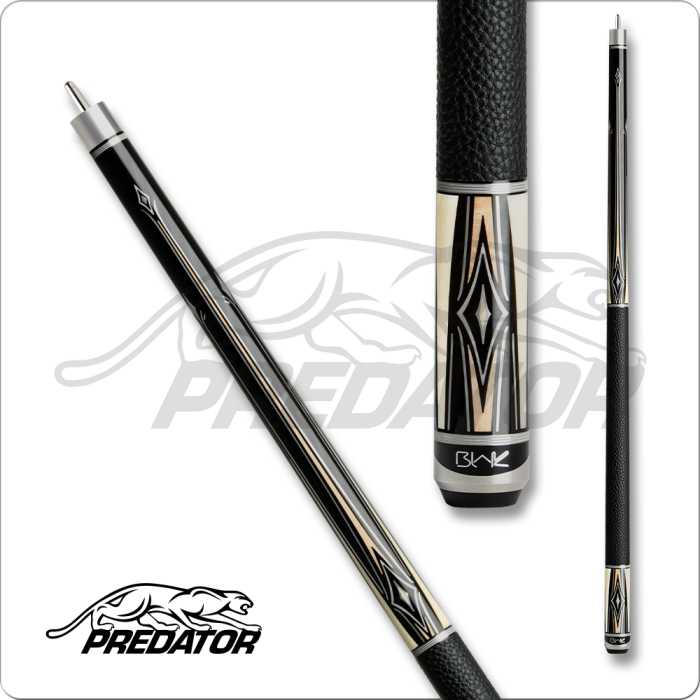
Vietnamese pool had been building toward a moment like this for years, and on July 15 it finally arrived. Luong Duc Thien, a 9-ball specialist from Hanoi, beat Chinese Taipei’s Wu Kun Lin 11 to 7 in the final of the 2026 Asian Pool Championship in Ho Chi Minh City. The result made him the first Vietnamese player to take the men’s 9-ball title at the continental championship, and it came with a 40,000 dollar top prize plus a run that very few people saw coming.
The event ran from July 7 to 15 at the Ho Xuan Huong Gymnasium, and the road to the trophy was anything but soft. Thien edged Alexis Ferrer of the Philippines 10 to 7 in the quarterfinals, then upset Ko Ping Chung, the reigning world 10-ball champion, in the semifinals. Knocking out a player of that pedigree on the way to a first continental crown tells you the win was earned rather than handed over. For anyone who studies the pro game to sharpen their own, there is a lesson buried in how he got there, and almost all of it comes back to control instead of raw force.
Why 9-Ball Rewards Control Over Power
9-ball looks fast and aggressive on a broadcast, but the players who win long sets are usually the calmest ones at the table. Every rack is a puzzle of rotation, and the object balls have to be pocketed in numerical order, so a runout is really a chain of position shots strung together. Miss your leave by a few inches and the next ball drifts from a simple angle into an awkward one. String enough of those small errors together and a match slips away without a single spectacular miss.
That is why the best rotation players obsess over cue ball speed and shot-making that holds up under pressure. Thien’s semifinal and final were full of shots where the cue ball settled exactly where it needed to be for the next ball, which is what let him keep his turn alive against elite opponents. You do not build that kind of consistency with a stroke that fights the equipment. You build it with fundamentals and with a cue that behaves the same way on every stroke.
Deflection Is the Detail Amateurs Miss
When a recreational player watches a professional runout, the eye goes to the flashy position play. The part that quietly makes it possible is low deflection, sometimes called low squirt. Every time you strike the cue ball off center to apply english, the ball pushes away from the line of the shaft. A high deflection cue throws the ball offline more, which forces the player to make bigger, less predictable adjustments. A low deflection cue keeps that push small and repeatable, so aiming with spin becomes something you can actually trust.
This is where Predator pool cues entered the conversation and never really left it. Predator built its reputation on low deflection shaft technology, and the brand pushed the rest of the industry to take squirt seriously. For a 9-ball player who leans on english to move the cue ball around the table, that consistency is not a luxury. It is the difference between guessing at your aim on a spin shot and knowing where the ball is going before you pull the trigger.
Featured Predator Products
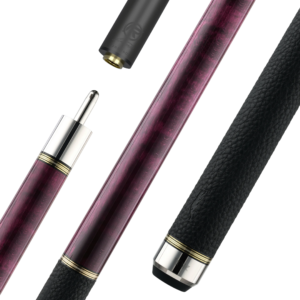
Below are four Predator cues we keep in stock at Quarter King Billiards, spanning the range from the accessible BLAK series up to the flagship Throne. Each one is built around the low deflection philosophy that made the brand a fixture on the pro tour.
-
-
-
-

The Predator BLAK series is the sensible entry point for a player who wants genuine low deflection performance without stepping into flagship pricing. It pairs a proven Predator shaft with a clean, understated build, which makes it a strong first serious cue for someone moving up from a house cue or a starter model. If you have been running racks with borrowed equipment and finally want a cue that responds the same way every night, this is the tier to look at.
The Predator P3 sits in the middle of the lineup and is the cue many league and tournament players settle on. Its adjustable weight system lets you tune balance to your stroke, and the joint is engineered for a solid, feedback-rich hit. For a rotation game where you are constantly reading speed, that feedback helps you dial in soft position shots that die exactly where you want them. It is the kind of cue you can grow into rather than out of.
At the top end, the Predator Throne series is as much a statement piece as a playing cue, with inlay work and finishing that reward players who want their equipment to look the part. It still carries the same low deflection engineering, so the artistry does not come at the expense of performance. Between those three tiers, most players can find a Predator that matches both their game and their budget.
What a Weekend Player Can Take From This
You do not need to fly to Ho Chi Minh City or chase a 40,000 dollar check to apply what Thien did. Start by treating cue ball position as the real skill and pocketing balls as the easy part. Pick a simple rotation drill, lay out three balls, and practice landing the cue ball in a target zone for the next shot rather than just making the ball. Speed control improves faster than almost any other part of the game once you give it dedicated attention.
Then make sure your equipment is not working against you. If you play with spin and your aim feels unpredictable, a lower deflection setup will remove a variable you may not even realize is there. Browse the full pool cues collection if you want to compare Predator against other brands, or go straight to the Predator lineup if low deflection is already your priority. The pros make it look effortless because they removed the guesswork years ago, both from their stroke and from their gear.
Thien’s title is a milestone for Vietnamese pool and a reminder that the rotation game rewards patience, position, and equipment you can trust shot after shot. Chase those three things in your own play and your runs will get longer, whether you are grinding league night or just trying to close out a set against a friend.
The Kind of Field Thien Had to Beat
Context makes the achievement land harder. This was not a weak draw that opened up for a hometown player. Ferrer represents a Philippine pool tradition that has produced world beaters for decades, and Ko Ping Chung arrived as the sitting world 10-ball champion, one of the sport’s most feared match players. Beating both across a single week is the kind of result that usually announces a career rather than caps one, which is part of why Vietnamese fans reacted the way they did.
For a viewer trying to improve, the takeaway is that the modern rotation game has no shortcuts left. The equipment gap between top players has narrowed, low deflection shafts are everywhere on the pro tour, and the separation now comes from decision making and speed control under pressure. Watching how a champion chooses the safe runout path over the flashy one is free education, and it maps directly onto the choices you face on league night.
Joint and Shaft Choices That Change the Hit
One reason the Predator P3 shows up in so many serious players’ hands is that it is built to be configured. Joint type, weight, and shaft pairing all change how a cue transmits feedback, and a small adjustment can make position play feel easier without changing your stroke at all. If you are stepping up from a one-piece house cue, do not assume every low deflection cue feels identical. Handle a few, notice which balance and hit you naturally trust, and let that guide the purchase rather than the paint job. The full Predator range spans enough configurations that the right match is usually a question of preference, not budget alone.

About Corey Bernstein
Corey Bernstein is a competitive pool player, billiards equipment specialist, and co-owner of Quarter King Billiards in Wilmington, North Carolina. With over a decade of experience in the sport, Corey has competed in regional APA and BCA sanctioned tournaments and maintains an intimate knowledge of cue construction, shaft technology, and table mechanics. As a certified dealer for brands including Predator, McDermott, Jacoby, Viking, Lucasi, Meucci, Joss, and Cuetec, Corey personally tests and evaluates every cue that comes through the shop. His hands-on approach to the business means he has racked thousands of hours behind the table — breaking in shafts, comparing tip compounds, and dialing in the nuances that separate a good cue from a great one. When he is not behind the counter or on the table, Corey is researching the latest advances in low-deflection technology, carbon fiber shaft construction, and cue ball physics. His articles on Quarter King Billiards combine real-world playing experience with deep product knowledge to help players at every level find the right equipment for their game.