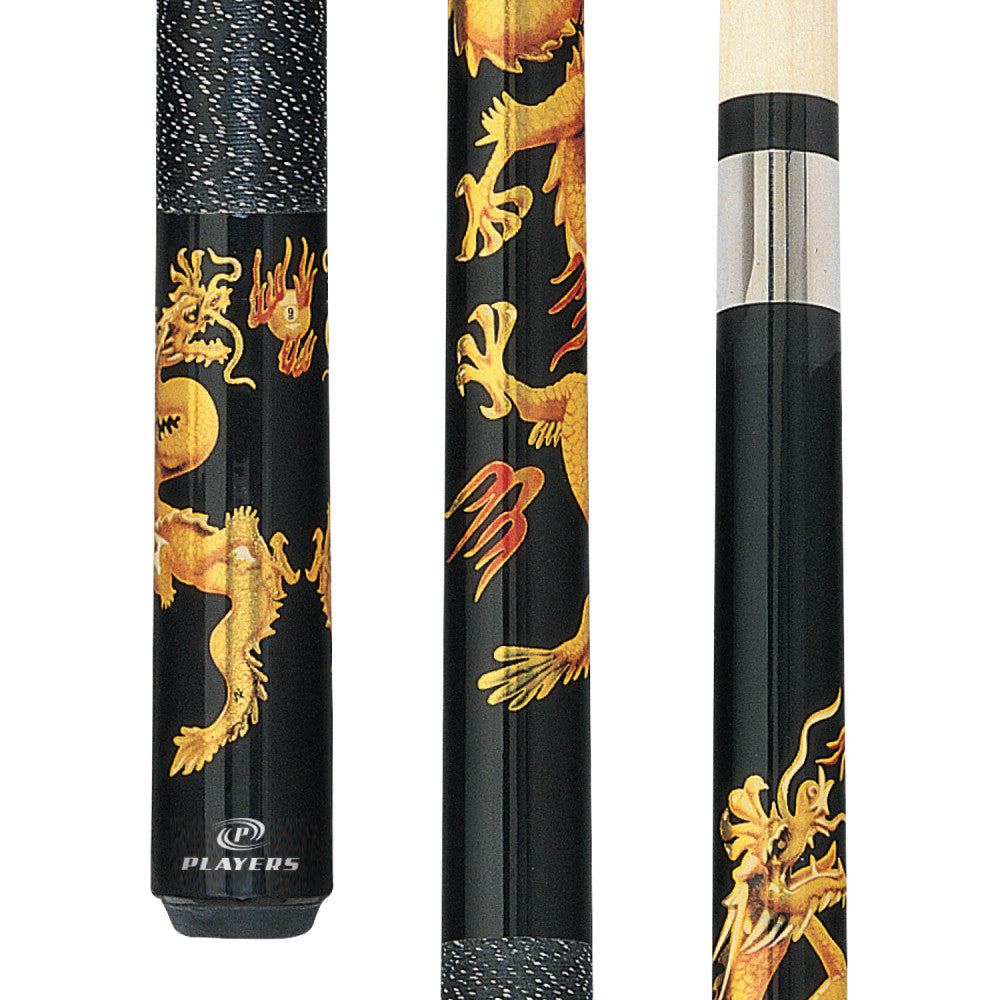
Ashley Benoit walked into The League Room Grill & Billiards in Spartanburg, South Carolina on September 12 and did not drop a single match all weekend. Twenty six players entered the Palmetto State Women’s Championship, a $750 added event that drew competitors from across the Carolinas, and by the time the tables went quiet on September 13 Benoit had beaten every one of them. She took the hot seat with an 8 to 2 win over Christy Norris, then closed out the title with another 8 to 2 win over Nikki Brown in the final.
Benoit currently sits at number 19 in the WPBA Top 20, and after the win she told local reporters she had played some of the best pool of her recent stretch, adding that it felt good to see the hard work translating into results. That kind of result rarely comes from one lucky rack. It comes from stringing together two full days of matches without a real bad patch, which is a different skill than winning a single set against a friend on a Tuesday night.
A Deep Field for a Regional Event
Twenty six entrants is a strong turnout for a regional women’s event, and it reflects a broader trend in the sport over the past several years. Women’s pool has grown well beyond the small circuit of touring pros that most casual fans could name, and regional championships like this one in Spartanburg are where a lot of that depth actually shows up. Players ranked outside the national spotlight are grinding through the same brutal double elimination formats, the same long travel days, and the same pressure to perform twice in one weekend that the pros face on television.
Benoit’s number 19 national ranking puts her firmly in the upper tier of the WPBA Top 20, but a ranking that high does not make a 26 player field an easy walk. Regional brackets are stacked with players who beat ranked pros regularly at the local level, which is part of what makes an undefeated run through a field like this genuinely impressive rather than a formality.
What Going Undefeated Actually Requires
Local and regional tournaments like the Palmetto State Championship are where most competitive players actually live. Most of us are never going to tee off in a WPBA major, but plenty of league and tournament players play a modified double elimination bracket at a room not unlike The League Room on a Saturday morning, then have to back it up again on Sunday. The lesson from Benoit’s weekend is not about any single miracle shot. It is about what has to go right, quietly, over eight or ten matches in a row.
The first piece is physical consistency. A cue that hits true match after match, rack after rack, takes one variable off the table. When your stick is behaving the same way on your fortieth rack as it did on your first, you can spend your mental energy on the layout in front of you instead of wondering whether that stroke felt a little off. That is one reason so many serious league players eventually retire a cue that has started to feel inconsistent, even if it still looks fine in the case.
Stamina and Focus Over Two Days
Undefeated runs are won as much in the third hour as the first. Fatigue changes your stroke before it changes your decision making, and a cue that is light enough to control late in a long session matters more than most players give it credit for. A cue in the 18 to 19 ounce range with balanced weight distribution tends to stay controllable deep into a long day of racking up matches, which is part of why so many tournament regulars gravitate toward mid weight playing cues rather than anything on the heavy end.
The second piece is having a cue you actually trust enough to stop thinking about. Plenty of players who grind local and regional events are not carrying a $2,000 custom cue. They are carrying something in the $175 to $300 range that hits solid, looks good under the tournament lights, and does not distract them from the layout. That is exactly the gap the Players cue lineup is built for, and it is worth a look for anyone chasing their own undefeated weekend.
Featured Players Products
Below are four Players cues that fit squarely into that tournament ready, budget conscious category, all built with maple shafts and wrap options that hold up over a long weekend of play.


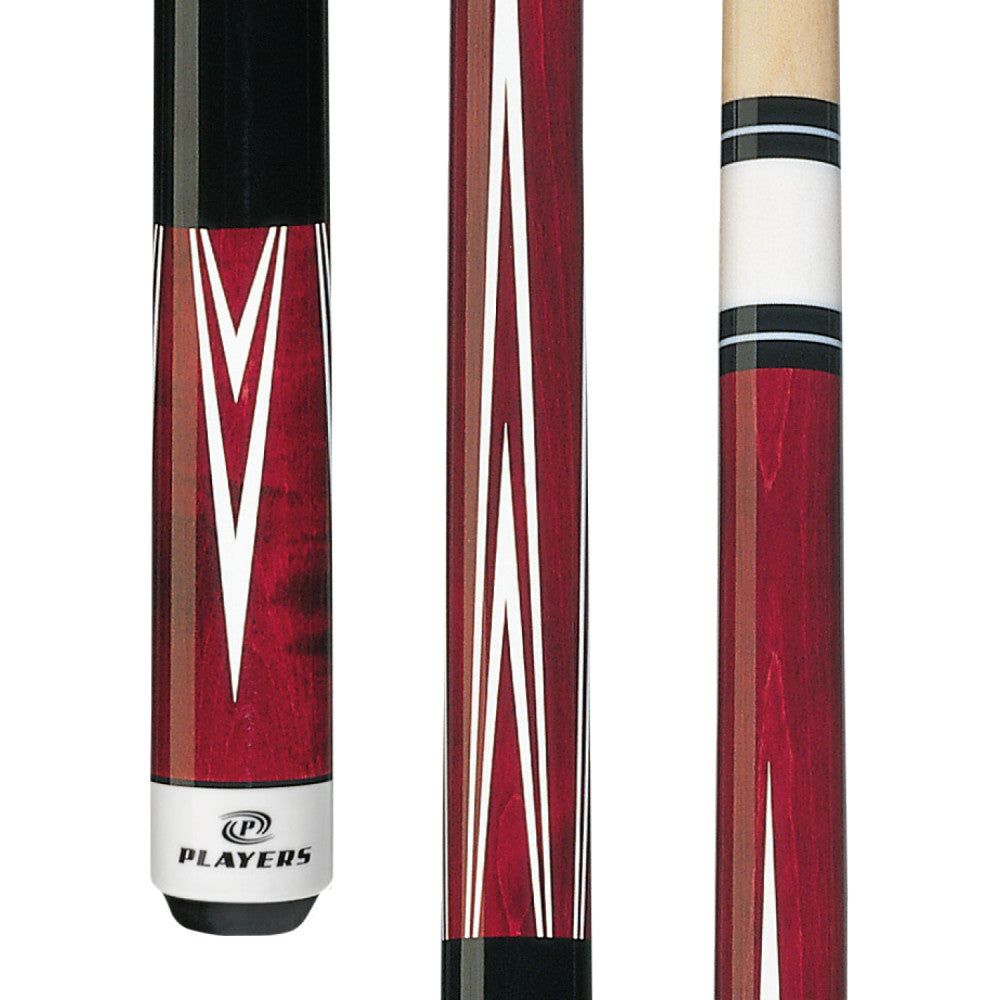
The Players 4 Point Crimson Wrapless Cue
The Players 4 Point Crimson Wrapless Cue is a good example of what a tournament level starting point looks like. No wrap means a bare maple grip, which some players prefer once their hand gets warm over a long session, and the four point forearm keeps the look simple without adding weight in the wrong place. At $175 it is priced for a player who wants a real step up from a house cue without spending house money on it.
For players who want a wrap for a more secure grip late in a match, the Players Blue Maple Cue with Black Linen Wrap and the Players Jester Sport Grip Cue both add texture and tack without pushing the price much past $285.
Reading the Rest of the Palmetto State Bracket
Norris, who fell to Benoit in the hot seat match, still had to fight through the loss side bracket to get back to the final, which is its own kind of pressure test. Losing a hot seat match and coming back through six or seven more racks against players who know you have already been beaten once is one of the harder mental tasks in bracket pool. That Benoit was able to beat her twice in the same weekend, once from the winners side and once again for the title, says something about how well she was reading racks by the end of the event.
Nikki Brown’s run to the final from the loss side was itself a full day of pool, and it is a reminder that a double elimination bracket rewards a player who can reset mentally after a loss just as much as it rewards the player who never loses at all. If you play in modified double elimination formats at your own local room, that pattern is worth studying. The players who make deep runs are rarely the ones who avoid every loss. They are the ones who do not let one bad set carry into the next match.
Why the Format Itself Rewards Preparation
The Palmetto State Championship ran on a $750 added, modified double elimination format with a tiered entry system, the kind of structure you will find at hundreds of rooms across the country on any given weekend. Formats like this are unforgiving in a specific way. A single elimination event can be survived on one hot session. A modified double elimination bracket over two days asks you to be good enough, consistently enough, that even a loss early on does not end your tournament, and it asks you to still be sharp for a final match that might come six or seven hours after your first rack of the day.
That structure is exactly why equipment reliability matters more in this format than in a casual money game. A wrap that starts to slip after three hours of sweaty hands, or a joint that has loosened slightly and needs re-tightening between matches, is the kind of small distraction that costs a rack you should have won. Players who treat their cue as a piece of tournament equipment rather than just a stick they own tend to check their tip, their joint, and their case before every event, not just when something feels obviously wrong.
Travel and Storage Between Matches
Regional events like this one often mean a drive of an hour or more each way, sometimes with an overnight stay if the bracket runs long. A cue that sits in a hot car overnight or gets tossed in the trunk without a hard case is at real risk of warping, which is a slower and sneakier problem than a broken tip because you may not notice the warp until you are already three matches into the next event. Anyone serious enough about tournaments to be chasing an undefeated weekend should be just as serious about a proper case as they are about the cue itself.
Bringing It Back to Your Own Case
You do not need to be ranked in the WPBA Top 20 to take something practical from Spartanburg. If your current cue is a hand me down from a friend or the house stick from your local room, an undefeated weekend is going to be harder to string together than it needs to be. A cue that fits your hand, holds a straight hit, and does not warp in your car trunk on the drive to a regional event removes one more excuse before the first rack is even broken.
Browse the full pool cues selection at Quarter King Billiards to find a stick in your price range, whether that is a Players cue for your first serious tournament run or something further up the line once you know exactly what you want out of a hit.

About Corey Bernstein
Corey Bernstein is a competitive pool player, billiards equipment specialist, and co-owner of Quarter King Billiards in Wilmington, North Carolina. With over a decade of experience in the sport, Corey has competed in regional APA and BCA sanctioned tournaments and maintains an intimate knowledge of cue construction, shaft technology, and table mechanics. As a certified dealer for brands including Predator, McDermott, Jacoby, Viking, Lucasi, Meucci, Joss, and Cuetec, Corey personally tests and evaluates every cue that comes through the shop. His hands-on approach to the business means he has racked thousands of hours behind the table — breaking in shafts, comparing tip compounds, and dialing in the nuances that separate a good cue from a great one. When he is not behind the counter or on the table, Corey is researching the latest advances in low-deflection technology, carbon fiber shaft construction, and cue ball physics. His articles on Quarter King Billiards combine real-world playing experience with deep product knowledge to help players at every level find the right equipment for their game.
