 844 408 3056

 Hot Deal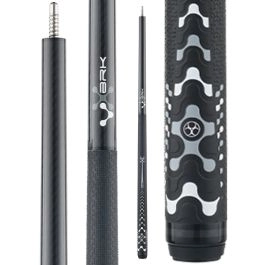
A house cue breaks just fine, right up until you watch what it does to your game over a season. The tip mushrooms, the ferrule cracks, and every hard break with your playing cue slowly beats the settled shape out of a tip you spent months dialing in. That is the quiet argument for a break cue, and it has nothing to do with breaking harder. It has to do with protecting the one piece of equipment your whole game depends on while giving the opening shot a tool actually designed for it.
What a Break Cue Actually Does Differently
Three things separate a purpose-built breaker from your playing cue. First, the tip. Break cues wear phenolic or extra hard leather tips that transfer energy into the cue ball instead of absorbing it, which is exactly wrong for touch shots and exactly right for the break. Second, the shaft. Break shafts are stiffer, often carbon fiber now, so the cue flexes less at impact and more of your swing arrives at the rack. Third, the joint and construction are built to shrug off thousands of maximum effort hits that would slowly loosen a playing cue.
One rules note worth knowing before you buy: a small number of leagues and events restrict phenolic tips on the break. Most allow them, but check your league’s equipment rules before you fall in love with a specific setup. Every cue in our break lineup lists its tip material on the product page for exactly this reason.
The Heavy Cue Myth
Walk into any pool hall and someone will tell you to break with the heaviest cue you can find. The physics disagrees. Cue ball speed comes from tip speed at contact, and almost every player can swing a lighter cue faster than a heavier one. The energy equation rewards velocity far more than mass, which is why most professionals break with cues at or below their playing weight, and why the trend across the last decade has moved toward lighter, faster breakers.
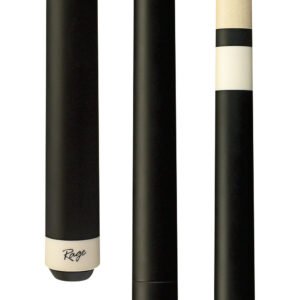
That said, weight preference is real. Players with a smooth, deliberate tempo sometimes time a heavier cue better than a whippy light one, and a 25 ounce cue like the Rage Heavy Hitter exists precisely for that stroke profile. The honest advice is to test both philosophies. If your break relies on rhythm, mass can help. If it relies on arm speed, go lighter and watch the cue ball jump.
Accuracy Beats Power, Every Single Rack
The best break in pool is not the loudest one. It is the one where the cue ball strikes the head ball dead square at controlled speed and stops near the middle of the table. A square hit transfers everything into the rack and leaves the cue ball parked in the center where you have shots at whatever drops. A glancing hit at higher speed scatters energy sideways, sends the cue ball wandering toward scratches, and leaves the rack clustered.
Here is a test worth twenty minutes: break at eighty percent effort and note where your cue ball finishes across ten breaks. If it is not finishing near center table at least half the time, more power is the last thing you need. Fix the contact first, then add speed one notch at a time until control starts to slip, and live one notch below that ceiling.
Dedicated Break Cue or Jump Break Combo?
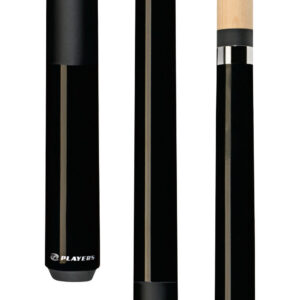
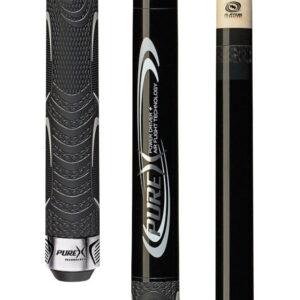
The combo question comes down to case space and how often you jump. A three piece jump break cue unscrews into a legal jump cue, which means one slot in your case covers two specialty shots. The Pure X HXT 5-in-1 is the most flexible version of the idea we stock, reconfiguring into multiple lengths, while the Players JB528 Heavy Hitter delivers the same two-in-one utility at a working player’s price.
The case for a dedicated breaker is specialization. A cue designed only to break, like the Poison VX with the Venom carbon fiber shaft, puts every design decision toward stiffness and energy transfer with no compromise for jumping geometry. Players who already carry a separate jump cue, or who play formats where jumping rarely comes up, get more break for the same money. Neither answer is wrong. Count your case slots and your jump attempts per season, and the decision usually makes itself.
Four Breakers Worth Your Money in 2026
At the entry point, the Rage Heavy Hitter at $169 is the definition of honest equipment, a 25 ounce sledge for rhythm breakers that also jumps. The Players JB528 at $230 adds better construction and a more conventional weight. The Poison VX at $379 brings a true carbon fiber break shaft into a price bracket that used to be maple only. And the Pure X HXT 5-in-1 at $429 is the swiss army knife, covering break, jump, and multiple configurations in one purchase. All four are in stock now, and the full range, including options we did not cover here, lives in our break cue collection.
Featured Break Cues
-
-
-
-
-
-
-
-
Adjusting the Break for Your Game of Choice
The same cue breaks differently depending on the format, and knowing the differences saves you months of trial and error. In nine ball, most players break from near the side rail and aim to strike the one ball as squarely as the angle allows, looking to send the wing ball toward the corner pocket while the cue ball squats in the middle. In eight ball, breaking from closer to center with a square hit on the head ball spreads the fifteen ball rack most evenly, and power matters a little more because there is simply more mass to move. Ten ball rewards the most controlled break of all, since the tighter rack punishes glancing hits with clusters that decide entire games.
None of this changes which cue you should buy, but it changes how you should practice with it. Spend your first sessions breaking from the spots your league format actually uses, not from wherever the table happens to be open. Break practice transfers poorly between positions because the angles into the rack change, and the ten minutes it takes to rehearse your real match break is the cheapest improvement in pool.
Living With Phenolic Versus Leather
Maintenance is the difference nobody mentions at the counter. A phenolic tip is essentially zero upkeep. It never mushrooms, never needs shaping, and holds chalk poorly, which matters less on the break because you are hitting near center ball anyway. Hard leather break tips split the difference, holding chalk well and offering slightly more feel at the cost of occasional scuffing and shaping like any other tip. If you are the type who forgets to maintain equipment, phenolic quietly removes a failure point. If you like a touch of feedback in the hit and do not mind thirty seconds of care a month, hard leather rewards you for it.
Making the New Cue Pay Off
A break cue earns its price in two currencies. The first is the break itself, which improves not because the cue is magic but because a stiff shaft and hard tip make square contact more rewarding and off-center contact more obvious. Feedback teaches faster than advice. The second currency is the health of your playing cue, whose tip keeps its shape season after season once it stops moonlighting as a sledgehammer.
Spend the first week with the new breaker doing nothing but the eighty percent drill, watching cue ball position instead of counting balls made. Add speed only when center table stops being a challenge. Within a month the break stops being the shot you survive and becomes the shot that starts racks on your terms, which is the entire point.
If you are building out the rest of the case while you are at it, the complete pool cue collection at Quarter King Billiards covers playing cues from starter to tournament grade, and our team answers fit questions every day.

About Corey Bernstein
Corey Bernstein is a competitive pool player, billiards equipment specialist, and co-owner of Quarter King Billiards in Wilmington, North Carolina. With over a decade of experience in the sport, Corey has competed in regional APA and BCA sanctioned tournaments and maintains an intimate knowledge of cue construction, shaft technology, and table mechanics. As a certified dealer for brands including Predator, McDermott, Jacoby, Viking, Lucasi, Meucci, Joss, and Cuetec, Corey personally tests and evaluates every cue that comes through the shop. His hands-on approach to the business means he has racked thousands of hours behind the table — breaking in shafts, comparing tip compounds, and dialing in the nuances that separate a good cue from a great one. When he is not behind the counter or on the table, Corey is researching the latest advances in low-deflection technology, carbon fiber shaft construction, and cue ball physics. His articles on Quarter King Billiards combine real-world playing experience with deep product knowledge to help players at every level find the right equipment for their game.