Patryk Statkiewicz of Strefa Diamond Gdansk won the Dynamic Billard Best of the East Ajara Cup in Batumi, Georgia on September 20, 2026, beating local favorite Nodar Bakradze of Tbilisi 7-6 in the final rack of a nine ball event that pulled players from Georgia, Poland, Azerbaijan, the Czech Republic, and Turkey. It was the kind of finish that reminds club players why they keep coming back to the table: three matches in a row, both semifinals and the title match, went the full distance to a deciding rack.
What Happened in Batumi
The Ajara Cup ran a group stage across two venues, Piramide Billiard Club and Oponent Club, before narrowing to a single elimination bracket. Statkiewicz played through the field and met Bakradze in the final, where the set stayed within a rack of even the whole way. A 7-6 scoreline in a race like this usually means neither player gave the other a single free ball late, and it means the eventual winner had to close it out with the crowd, and the format, both working against a relaxed stroke.
Third place went to two more Polish players, Jeremi Nowak and Mariusz Skoneczny, which says something about the depth Poland is building in nine ball right now. First place carried a check for 1,300 euros, a trophy, a medal, and a Cuetec cue as part of the prize package. Statkiewicz told organizers after the win that the atmosphere in Batumi was fantastic, and that qualifying for the Polish Championships is the next target on his calendar.
The field itself is worth a second look too. Five countries sent players to a regional stop that was not a marquee world event, and the fact that a Polish, a Georgian, and a Turkish player could all end up in the money says the pool scene across that part of Eastern Europe is deeper than most American players realize. Splitting the group stage across two clubs at once, Piramide Billiard Club and Oponent Club, also let organizers run more matches in a shorter window, which is the same logistical trick a lot of regional American tours use to keep a two day event from turning into three.
Why a One Rack Final Is Its Own Kind of Pressure
A race that ends 7-6 is not really about who ran more balls over two days. It is about who handled the last rack better, and that is a different skill than raw shot making. Players who are strong at speed control and defense usually hold up best in a decider, because a single loose safety or a rushed break can hand the rack, and the match, to the other side. Watching a final like this is a good reminder that practice time spent on lag control, break setup, and simple two way shots pays off far more in a close match than practice time spent chasing trick shots.
It also matters what a player has confidence in when the pressure is highest. A cue that a player trusts, one that hits where they expect on a tight cut or a soft safety, removes one variable from an already stressful rack. That is part of why a cue upgrade shows up so often in prize packages at events like this one, and why club players who are ready to move past a beginner set often look at the same brands that show up on tour.
One drill that translates directly to a decider rack situation is simple to set up at home or at league night: rack a full nine ball layout and play it out solo, but stop and force a deliberate safety anytime there is not a clean, high percentage shot available. Most players default to shooting anything remotely makeable when they practice alone, which trains the wrong instinct for exactly the moment that matters most in a close match. Practicing the discipline to play a safety instead of a low percentage shot, even in solo practice, builds the same composure that let both finalists in Batumi push their match to a 7-6 finish instead of one side folding under pressure.
Featured Cuetec Products
Since a Cuetec cue was part of the winner’s prize in Batumi, this is a good moment to look at where Cuetec sits in the lineup for a player thinking about a step up. The four cues below span an entry level wrapless build through a tour level signature cue.

What the Prize Cue Says About Getting Into a Cuetec
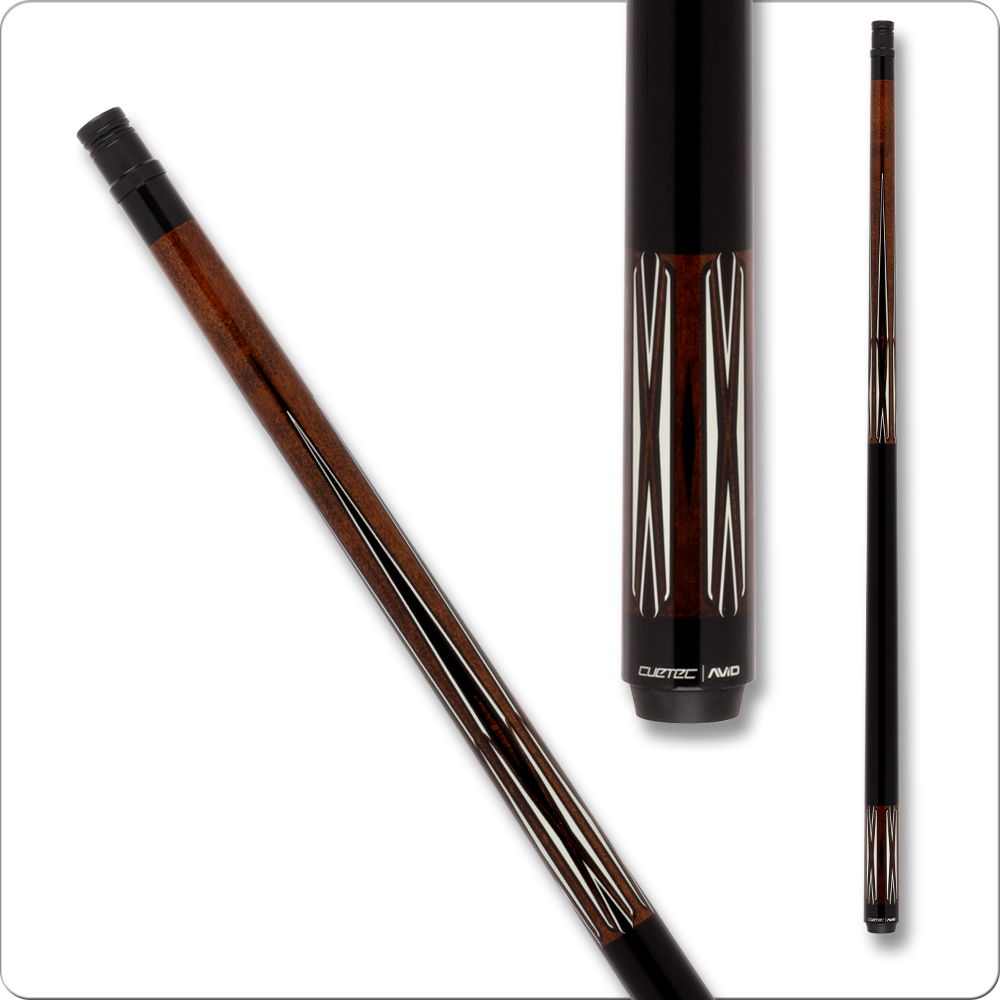
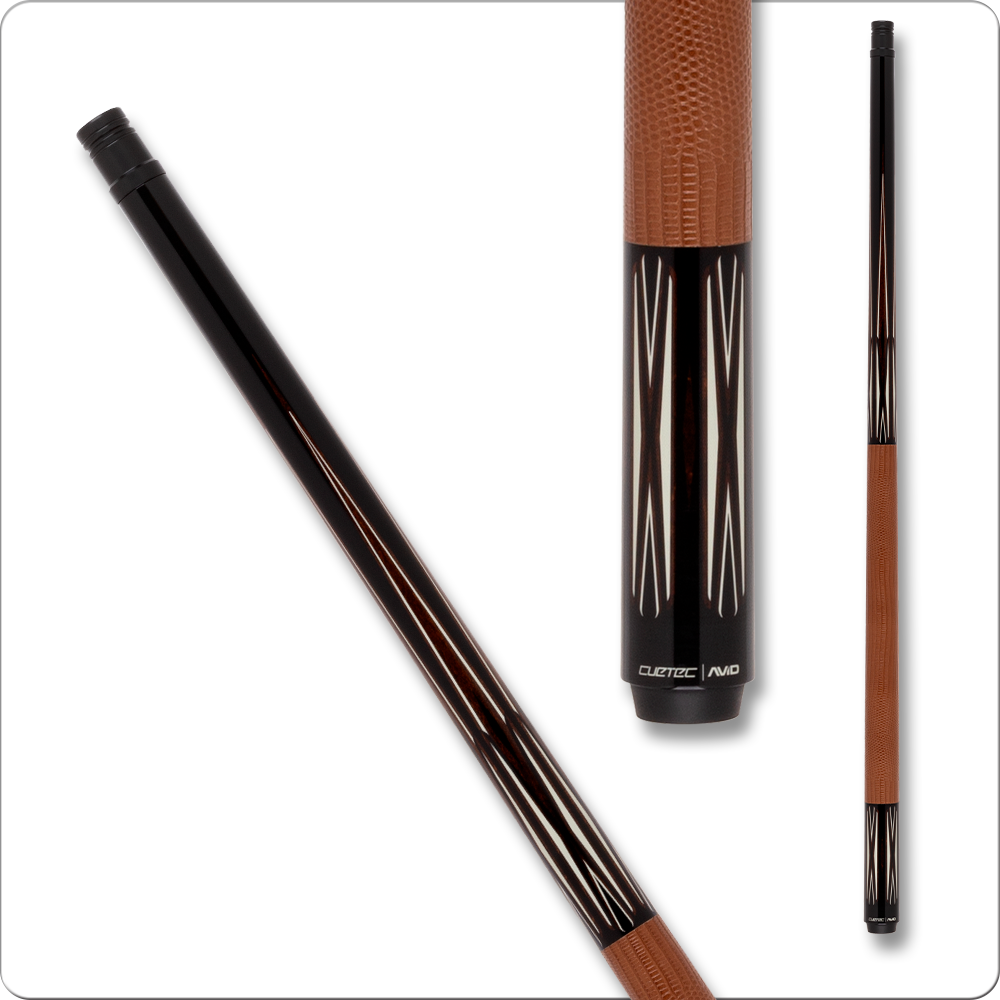
The Cuetec AVID CT326NW and the Cuetec AVID CT325LTC sit at the entry point of the AVID line, priced under 450 dollars, and they are where most players moving off a house cue land first. The difference between them is mostly cosmetic and grip preference, wrapless versus a leather wrap, and both use the same low deflection shaft technology that Cuetec built its reputation on. For a league player who wants one cue that plays consistently rack after rack without a big spend, either one is a reasonable place to start.
Picking Between the AVID and the Signature Line
The Cuetec SVB Black Gen 2 is a different conversation. It carries Shane Van Boening’s name for a reason, and it is built for a player who already knows their stroke and wants a cue that will not be the limiting factor in a long tournament weekend. At roughly double the price of an AVID, it is not the first cue most players need, but it is the kind of cue a player upgrades into once they have logged enough table time to feel the difference in balance and hit.
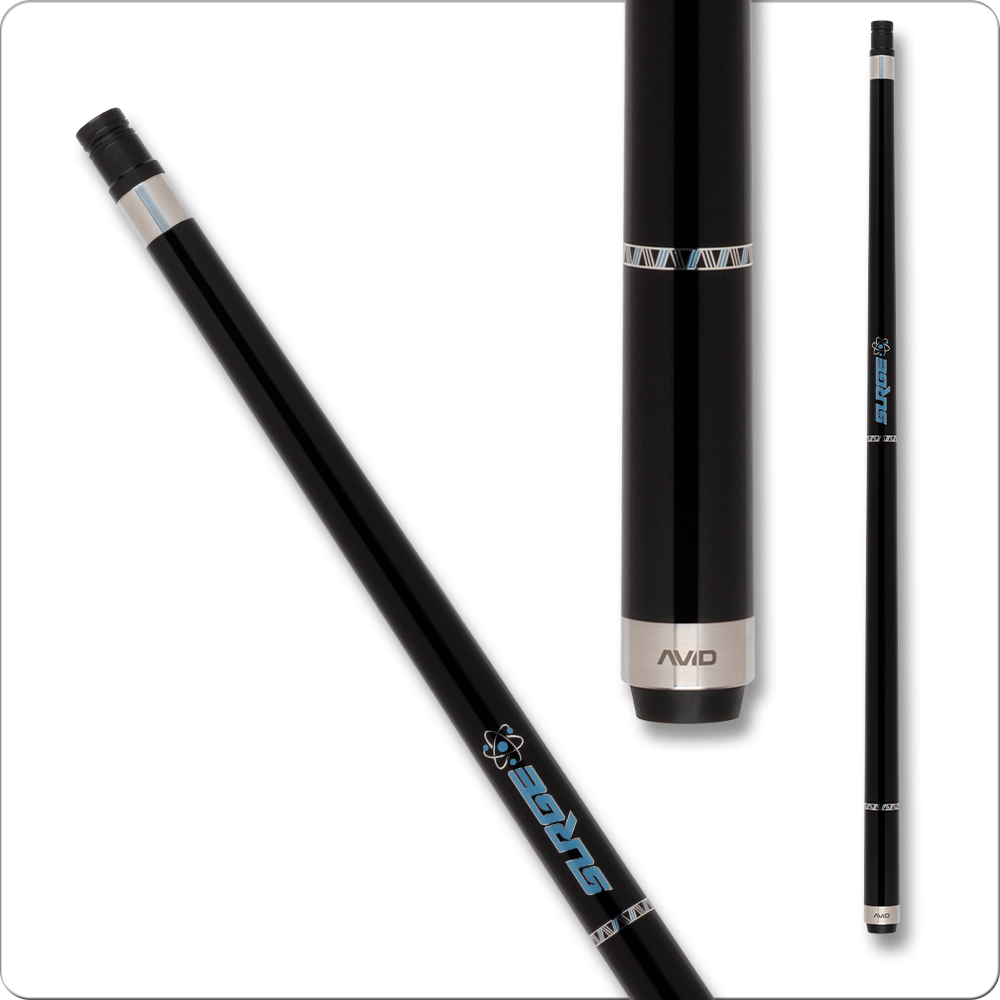
There is also a practical argument for owning a dedicated break cue rather than breaking with a playing cue. The Cuetec AVID CT338NW Surge Break Cue takes the abuse of a hard break so a player’s main cue stays true for the shots that actually require finesse. In a close nine ball race like the one decided in Batumi, a clean, controlled break that leaves the table open is often worth more than an extra rack of raw power.
Cuetec’s low deflection shaft technology is the other reason the brand keeps showing up in prize packages and pro endorsements alike. A shaft engineered to resist twisting under side spin means a player applying English on a cut shot does not have to compensate as much for the cue ball drifting off its intended line, which matters most on exactly the kind of tight position play a decider rack demands. That is a technical detail, but it is the practical reason a AVID cue at under 450 dollars can still feel like a real upgrade rather than a cosmetic one for a player coming off a mismatched house cue.
Bringing the Lesson Home
Most club players will never play a race to 7 in front of a crowd in Georgia, but the same principles apply at a Tuesday night league match that comes down to the last game. Slow down on the break, commit to a pattern before the shot, and play position with the next two balls in mind rather than just the one in front of the cue ball. Those habits are what let Statkiewicz and Bakradze both take a final to the wire instead of one side running away with it early.
If a current cue is starting to feel like the reason for a missed safety or an inconsistent break, browsing the full pool cues selection is a reasonable next step before the next tournament weekend. Whether the goal is a first real upgrade or a dedicated break cue to protect a good playing cue, having the right tool in hand removes one more variable from a match that might come down to a single rack.
Results like this one also make a good case for watching regional tours outside the handful of events that dominate American pool coverage. The Ajara Cup will not get the same attention as a Predator Series stop, but it produced the same kind of drama, a final that stayed within one rack the entire way, and it is a reminder that meaningful competition is happening every weekend somewhere on the calendar, not just at the handful of marquee stops most players already follow.

About Corey Bernstein
Corey Bernstein is a competitive pool player, billiards equipment specialist, and co-owner of Quarter King Billiards in Wilmington, North Carolina. With over a decade of experience in the sport, Corey has competed in regional APA and BCA sanctioned tournaments and maintains an intimate knowledge of cue construction, shaft technology, and table mechanics. As a certified dealer for brands including Predator, McDermott, Jacoby, Viking, Lucasi, Meucci, Joss, and Cuetec, Corey personally tests and evaluates every cue that comes through the shop. His hands-on approach to the business means he has racked thousands of hours behind the table — breaking in shafts, comparing tip compounds, and dialing in the nuances that separate a good cue from a great one. When he is not behind the counter or on the table, Corey is researching the latest advances in low-deflection technology, carbon fiber shaft construction, and cue ball physics. His articles on Quarter King Billiards combine real-world playing experience with deep product knowledge to help players at every level find the right equipment for their game.
