 844 408 3056

 Hot Deal
Denis Grabe is a Matchroom Major champion. The Estonian beat Aleksa Pecelj 13-5 on Sunday night at the Quechan Casino Resort in Yuma to win the inaugural Arizona Open Pool Championship, lift the Cactus Trophy, and bank the $25,000 top prize. It took him years of knocking on the door, and when it finally opened he did not hesitate. For anyone who plays league on Tuesday nights, the way he won matters more than the trophy itself, because almost every rack of that final turned on skills you can practice at home.
Start with the road he traveled. The Arizona Open put 128 players into a straight knockout bracket with a $125,000 prize fund and no safety net. Lose one match and you fly home. Grabe went through Jesus Atencio, former European Open champion Mickey Krause, and world number one Aloysius Yapp, then beat Jefrey Roda 11-8 in the semifinal to reach his first Major final. Afterward he said he thrives in single elimination because you have to be ready from the first match, and he loves that pressure. That is not bravado. It showed up in how he played the final.
The Final Turned on the Break, Twice
Look at the sequence that decided the match. Tied early, Grabe took control in the third rack and built a 4-1 lead. He missed a 9-ball that let Pecelj close the gap, then got back to the table off a scratch. Rack eight was a golden break, the 9-ball dropping on the snap. Rack nine ended on a 4-9 combination. Suddenly it was 7-2, and the match had a shape it never lost.
Now look at how Pecelj lost racks. His first real run came when Grabe broke dry. His last hope died when he broke dry himself at 12-5, handing Grabe an open table that the Estonian calmly cleared for the title. Three of the most important racks in a Major final were decided the moment the cue ball hit the pack. If you still think of the break as a formality before the real game starts, professional pool keeps proving you wrong.
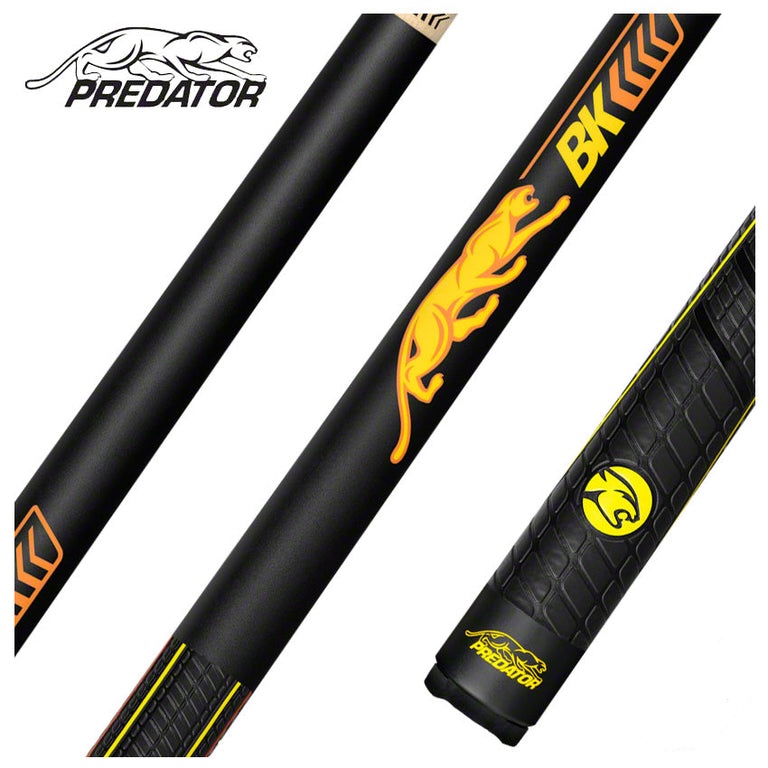
The lesson for your game is direct. A controlled break that spreads the rack, keeps the cue ball near center table, and pockets a ball is worth more than raw power. Dry breaks gave away racks in Yuma against the best players alive. In your Thursday league they give away racks just the same. Dedicated break cues exist because a stiff shaft and a hard tip transfer energy differently than your playing cue, and because breaking with your playing cue flattens the tip you spent months shaping. A purpose-built option like the Predator BK4 break cue is engineered for exactly this job, and it comes from the same brand that sponsors Grabe on its pro roster.
The 4-9 combination that closed rack nine deserves its own mention. Combos on the money ball are low percentage for amateurs mostly because they never practice them, not because the shots are impossible. Ten minutes a week throwing the 9-ball near a pocket and shooting combinations at it from realistic angles will change how often you see the shot in a real game. Grabe saw it instantly because he had hit that ball thousands of times before it mattered.
The Jump Shot That Closed the Door
The other swing moment came late. Pecelj had clawed back to 9-4 and had momentum for the first time all night. In the next rack he locked Grabe behind a blocker with a strong safety on the 2-ball. A weaker player pushes out or takes three fouls. Grabe elevated, jumped the obstruction cleanly, made the hit, and went on to clear the table. The comeback ended right there.
Recreational players treat the jump shot as a trick. Professionals treat it as insurance. When your opponent plays a good safety, a legal jump turns their best defensive shot into a neutral exchange. Modern jump cues are short, light, and stiff, which lets the cue ball leave the cloth with a fraction of the effort the old full-cue jump demanded. Something like the Poison VX jump and break combo covers both of the specialty jobs in one purchase, which is why combo cues have become the default recommendation for players building their first serious kit. You can compare dedicated designs in our jump cue collection whenever you are ready to stop giving up ball in hand every time someone hides you.
Featured Break and Jump Cues
-
-
-
Sale!
-
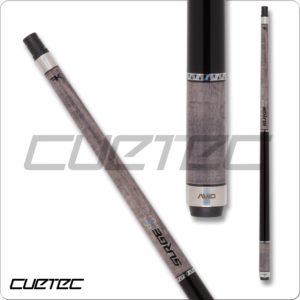
Cuetec AVID CT331NW Surge Break Cue
Original price was: $429.00.$389.00Current price is: $389.00. Select options -
Sale!
-
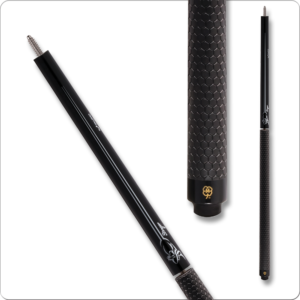
McDermott Stinger NG08 Jump/Break Cue
Original price was: $485.00.$436.50Current price is: $436.50. Select options This product has multiple variants. The options may be chosen on the product page -
-
A Ten Minute Break Routine That Fixes Dry Breaks
Rack the same nine balls five times and break from the same spot on the head string. Record three numbers for each attempt: balls pocketed, where the cue ball came to rest, and how many balls cleared the center of the table. Most players discover their power break scores worse on all three counts than a break at eighty percent effort. Once you find the effort level that keeps the cue ball in the middle of the table and puts a ball in a pocket, groove it until the number stops moving. Grabe did not out-muscle anyone in Yuma. He out-repeated them.
Pressure Is a Skill You Can Train
Grabe said something after the match that deserves a spot on every practice room wall. He was inspired watching his friend Alex Kazakis reach the Florida Open final the week before, and he wanted to go one better. Then he did, one week later, through the hardest bracket format in the sport. That is not luck. That is a player who prepared for pressure instead of hoping it would not show up.
Single elimination compresses everything. There is no losers bracket to warm up in, no second chance after a bad session. Every player in Yuma knew one cold start meant elimination, and Grabe stood his ground in every match. You can simulate a piece of that at home. Play race-to-seven sets against the ghost where a lost rack ends the set. Put a small stake on practice sets with a friend. Track your dry break percentage the way you track your win rate. The players who handle Tuesday night pressure are the ones who manufactured pressure on Monday afternoon.
What Grabe Actually Did Under Pressure
Watch the tape of the final and count his tempo. It never changed. Up 4-1 or facing a Pecelj rally at 9-4, the pre-shot routine took the same number of seconds, the practice strokes came in the same rhythm, and the safety exchanges were played with patience instead of panic. When he escaped the 2-ball safety with that jump shot, it was the routine that made the shot look easy. Copy the routine, not the highlight.
Your Equipment Should Not Be the Weak Link
None of this requires a professional budget. A solid break cue costs less than a night at a casino, and it will outlast a decade of league seasons. The Cuetec AVID Surge break cue brings carbon composite technology under $400. The McDermott Stinger jump and break splits the difference and handles both specialty shots. What matters is that you stop breaking with your playing cue and stop conceding every safety battle because you never learned to jump. The pros in Yuma made those investments years ago, and Sunday showed exactly why.
Every cue in our lineup ships fast from our North Carolina shop, and if you are local you can hit balls with it before you buy. Browse the full pool cue collection to see everything from starter cues to the carbon fiber flagships the touring pros carry.
The Tour Comes to Texas Next
The World Nineball Tour barely pauses. The 49th US Open Pool Championship runs August 25 through 30 at the Embassy Suites in Frisco, Texas, with a 256-player field chasing a $500,000 prize fund and the Barry Behrman Trophy. Grabe says winning it would be a dream, and after Yuma nobody will take him lightly. Van Boening won the Florida Open earlier this month, Grabe owns Arizona, and the American swing has one giant left on the calendar. If the first two stops are any guide, the break and the jump cue will decide that one too.
Watch the matches, then go practice what you saw. And when your dry breaks start costing you racks, you know where to find us.

About Corey Bernstein
Corey Bernstein is a competitive pool player, billiards equipment specialist, and co-owner of Quarter King Billiards in Wilmington, North Carolina. With over a decade of experience in the sport, Corey has competed in regional APA and BCA sanctioned tournaments and maintains an intimate knowledge of cue construction, shaft technology, and table mechanics. As a certified dealer for brands including Predator, McDermott, Jacoby, Viking, Lucasi, Meucci, Joss, and Cuetec, Corey personally tests and evaluates every cue that comes through the shop. His hands-on approach to the business means he has racked thousands of hours behind the table — breaking in shafts, comparing tip compounds, and dialing in the nuances that separate a good cue from a great one. When he is not behind the counter or on the table, Corey is researching the latest advances in low-deflection technology, carbon fiber shaft construction, and cue ball physics. His articles on Quarter King Billiards combine real-world playing experience with deep product knowledge to help players at every level find the right equipment for their game.